
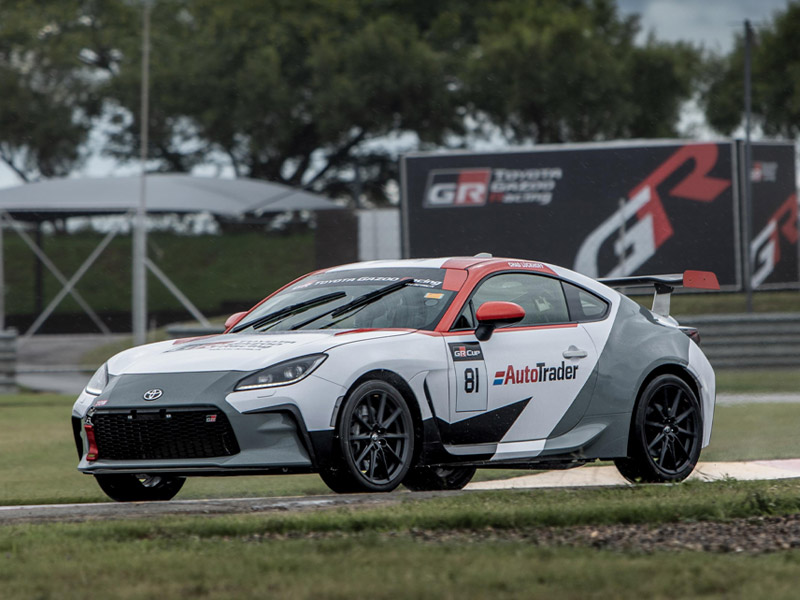
Toyota is taking another major step toward separating its performance identity from its mainstream lineup. The company has officially elevated Gazoo R
Toyota is taking another major step toward separating its performance identity from its mainstream lineup. The company has officially elevated Gazoo Racing into a distinct brand, positioning it alongside Toyota’s other major automotive divisions.
Going forward, Toyota Gazoo Racing will simply be called “Gazoo Racing,” bringing back a name that dates back to the late 2000s. The move formalizes what enthusiasts have long suspected: Toyota’s growing lineup of GR performance models is becoming too big—and too important—to remain just a trim level or sub-label.
Gazoo Racing Becomes Toyota’s Fifth Brand
Toyota’s brand structure now expands to include five key divisions:
-
Toyota
-
Lexus
-
Daihatsu
-
Century
-
Gazoo Racing
In this hierarchy, Gazoo Racing is positioned above Toyota’s core mainstream brand, while still sitting below Lexus and the ultra-premium Century division. It’s a clear signal that Toyota sees GR as more than just sporty versions of everyday cars—it’s becoming a separate identity entirely.
A Future Where “Toyota” Badges May Disappear on GR Models
This shift already appears in Toyota’s newest performance halo project, the GR GT, which has been shown without Toyota badges both inside and out. The car’s presentation hints at a future where performance vehicles may carry GR branding only, similar to how AMG, M, or RS models have evolved into recognizable sub-brands of their own.
GR GT Will Be Sold Differently Than Regular Toyotas
The GR GT won’t follow Toyota’s normal sales path. Instead of being offered through Toyota dealers, the car is expected to be distributed through select Lexus showrooms, reinforcing its more premium, exclusive positioning.
This aligns with expectations that the GR GT will sit at the very top of the Gazoo Racing range and command a serious price tag—likely deep into six-figure territory.
More GR Models Could Join the Standalone Brand
Toyota’s decision to expand Gazoo Racing isn’t just about one flagship car. Several upcoming and rumored performance projects would naturally fit under this dedicated performance division, including:
-
A possible MR2 revival
-
A next-generation Supra, expected to move away from outside partnerships
-
A future 86, which could serve as the entry-level sports car in the lineup
If these plans materialize, Gazoo Racing could offer a full ladder of performance models—from affordable driver-focused coupes to high-end supercar territory.
Racing and Customer Motorsport Still a Core Focus
Gazoo Racing will continue to compete in major global motorsport programs, including the World Rally Championship (WRC). Toyota has also indicated that the brand will support customer motorsports using production-based vehicles—something that fuels excitement about potential future homologation specials and track-ready performance editions.
A New Engine Strategy for GR Vehicles
The GR GT is expected to use a twin-turbo 4.0-liter V8, reserved exclusively for the flagship model. Meanwhile, future GR performance vehicles are expected to rely heavily on Toyota’s upcoming turbocharged 2.0-liter four-cylinder engine.
This engine has been linked with outputs of over 400 horsepower, and importantly, it’s being developed in a way that allows it to work in multiple layouts—not just traditional front-engine vehicles—opening the door to mid-engine or other advanced configurations.
Toyota’s Performance Plans Keep Growing
Toyota’s GR roadmap is shaping up to be one of the most ambitious performance pushes in the modern auto industry. Between existing GR hot hatches and potential sports car revivals, the lineup could expand dramatically before the end of the decade.
There’s also room for electrified performance vehicles. A fully electric sports car is expected later in the decade, and even future flagship performance models are rumored to adopt EV power rather than combustion.

COMMENTS