
Many drivers view car maintenance as an annoying expense. However, there is a massive financial difference between proactive maintenance (addressing c
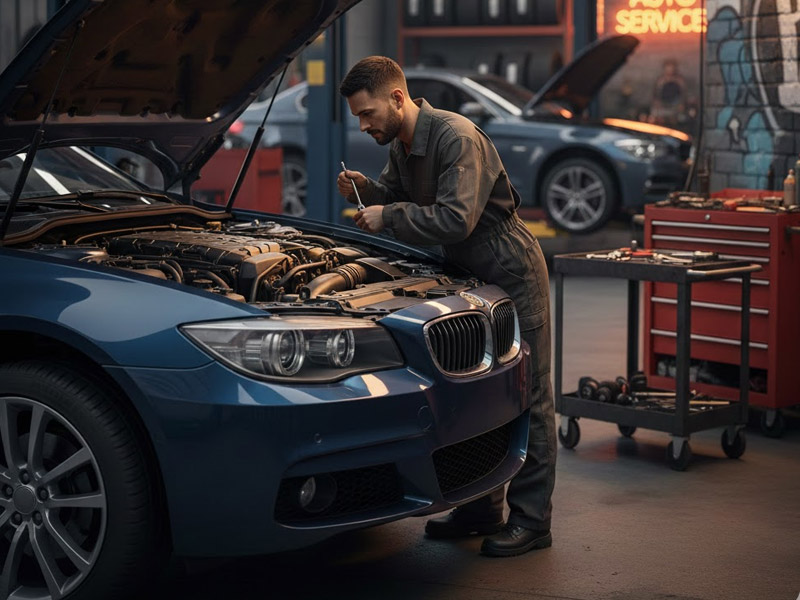
Many drivers view car maintenance as an annoying expense. However, there is a massive financial difference between proactive maintenance (addressing components before they fail) and reactive repairs (fixing things because the car has broken down).
The Cost of Neglect
Consider the timing belt. It is a humble rubber belt that keeps the internal components of your engine synchronized. Replacing it at the recommended interval might cost a few hundred dollars. If you wait for it to snap, it can cause catastrophic engine failure, resulting in a repair bill that costs thousands.
Key Savings Comparison
| Maintenance Task | Proactive Approach | Reactive Failure Result |
| Oil Change | Routine, low-cost service | Total engine seizure |
| Tire Rotation | Inexpensive periodic adjustment | Premature tire replacement |
| Brake Pad Swap | Simple component replacement | Damaged rotors and calipers |
Better Fuel Economy
Maintenance also impacts your daily wallet. Properly inflated tires, clean fuel injectors, and fresh spark plugs can significantly improve your fuel economy. Over a year of driving, the savings at the pump often cover the cost of the maintenance itself.
By staying ahead of the clock, you aren’t just taking care of a machine—you’re protecting your long-term budget.

COMMENTS